
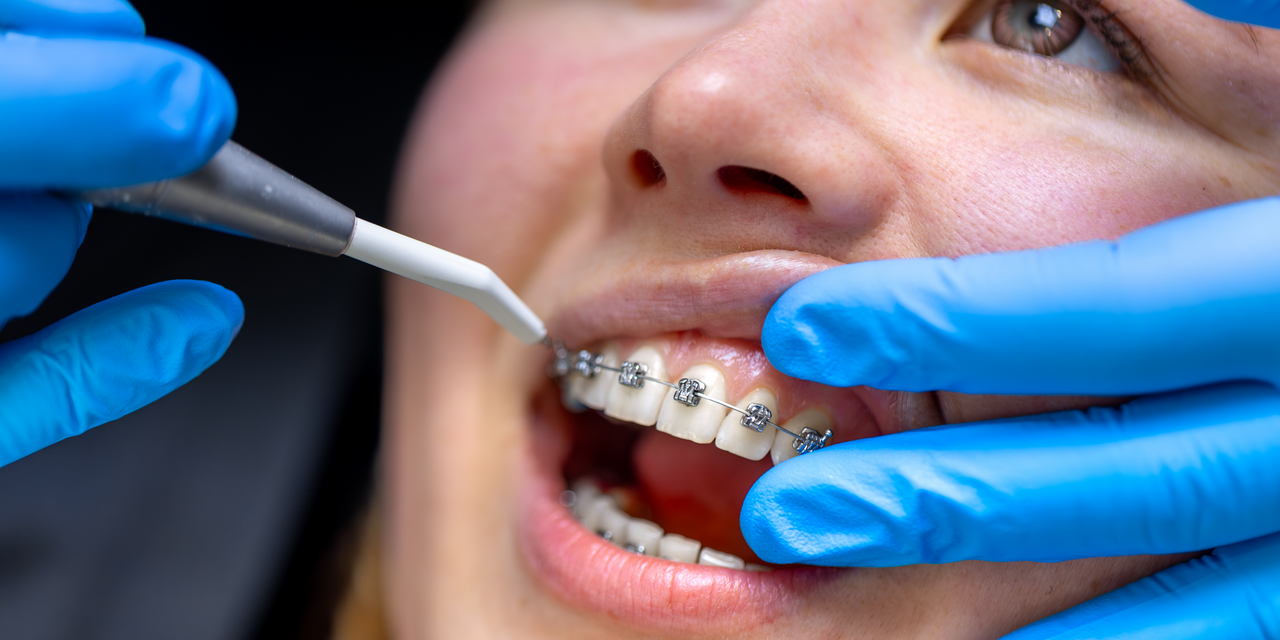
Braces have helped millions of people achieve healthier, more confident smiles, but one concern comes up almost every time someone considers treatment: how much do braces actually hurt?
The honest answer is that braces can cause some discomfort, especially at the beginning or after adjustments. However, modern orthodontic techniques have significantly improved comfort levels, and most patients describe the experience as manageable.
If you’ve already explored topics like Invisalign vs clear aligners and how they compare or wondered whether crowded teeth can be fixed without removing teeth this guide will help you understand what the treatment actually feels like day to day.
Do Braces Hurt? A Clear, Honest Answer
Braces do not typically cause sharp or severe pain. Instead, most patients experience mild to moderate pressure, particularly during the first few days after getting braces or following an adjustment.
This pressure is a sign that the treatment is working. Braces apply controlled force to gradually move teeth into better alignment.
For most patients:
- Discomfort is temporary
- It fades within a few days
- It becomes easier to manage over time
When Do Braces Hurt the Most?
1. When Braces Are First Placed
The first few days after getting braces are usually the most noticeable. Your teeth and gums are adjusting to a new sensation.
You may notice:
- Pressure when biting or chewing
- Mild soreness in teeth
- Sensitivity to certain foods
This stage usually lasts around 3 to 5 days.
2. After Adjustments
Braces are adjusted periodically to keep teeth moving in the right direction. After these visits, you may feel some discomfort again.
This is typically:
- Short-lived
- Less intense than the first experience
Most patients adjust quickly.
3. Irritation from Brackets or Wires
It’s also common to feel slight irritation on the inside of your cheeks or lips, especially early in treatment.
This improves as your mouth adapts, and orthodontic wax can help reduce friction.
Why Do Braces Cause Discomfort?
The discomfort comes from the natural process of tooth movement.
As gentle pressure is applied:
- The bone around the teeth reshapes
- Teeth gradually shift into position
According to guidance from the Canadian Dental Association on orthodontic care this process is gradual and carefully controlled to ensure both safety and effectiveness.
How Long Does the Discomfort Last?
A common misconception is that braces hurt throughout the entire treatment. In reality:
- Discomfort is temporary
- It occurs mainly after adjustments
- It becomes less noticeable over time
Many patients find that after a few weeks, braces feel like a normal part of daily life.
How Modern Orthodontics Improves Comfort
Orthodontic treatment today is very different from what it used to be.
Modern systems:
- Use lighter forces
- Improve efficiency of movement
- Reduce pressure on teeth
If you’re comparing treatment options, you may also want to understand how long different orthodontic treatments take depending on the case as treatment design plays a role in comfort as well
Practical Ways to Reduce Discomfort
1. Choose Softer Foods
Soft foods like soups, yogurt, and pasta can make the first few days much easier.
2. Use Orthodontic Wax
Wax helps protect the inside of your mouth from irritation.
3. Maintain Oral Hygiene
Keeping your teeth clean helps prevent additional sensitivity.
4. Stay Consistent
Following your treatment plan reduces complications and improves comfort.
5. Be Patient with the Process
Your mouth adapts faster than you expect. Most discomfort fades quickly.
Are Clear Aligners Less Painful Than Braces?
Clear aligners are often perceived as more comfortable because they:
- Do not have brackets or wires
- Apply gradual pressure
- Are removable
However, they still create pressure to move teeth, so some discomfort is expected.
If you’re deciding between options, it helps to compare comfort alongside effectiveness and suitability.
What Patients in Mississauga Often Experience
Patients in Mississauga and nearby Brampton often expect braces to be painful based on outdated perceptions.
In reality:
- Modern treatments are much more comfortable
- Discomfort is manageable
- Most patients adjust within days
Understanding this helps reduce hesitation before starting treatment.
Frequently Asked Questions
Do braces hurt more than aligners?
Braces may feel slightly more noticeable at first, but both treatments involve similar pressure during tooth movement.
Can I take something for discomfort?
Mild discomfort can usually be managed easily, especially during the first few days.
Will my mouth get used to braces?
Yes, most patients adapt quickly and notice less discomfort over time.
Do braces hurt every day?
No, discomfort is temporary and usually occurs after adjustments.
Final Thoughts
Braces can cause some discomfort, but it is usually mild, short-lived, and part of a normal treatment process. With modern orthodontic advancements, the experience is far more comfortable than many people expect.
For most patients, the temporary discomfort is a small trade-off for long-term improvements in both function and confidence. Understanding what to expect can make the journey feel much more manageable and reassuring.