
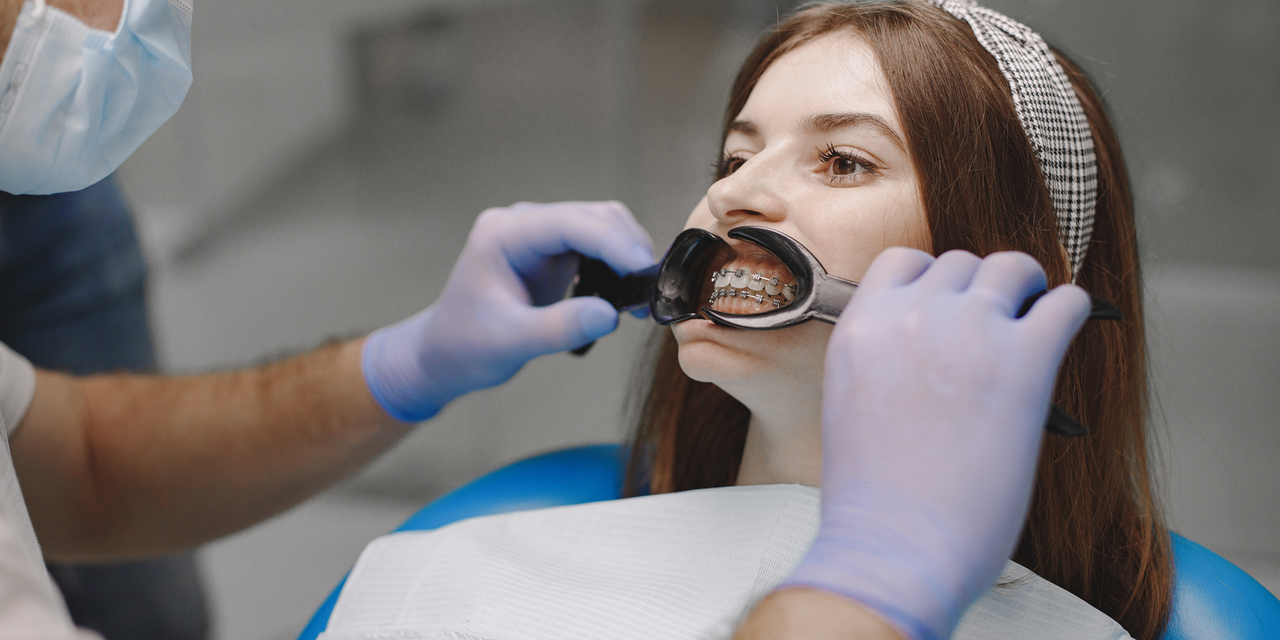
Straightening teeth today is far more refined and predictable than it once was. What used to involve invasive procedures can now often be achieved through carefully planned orthodontic treatment that works with the body’s natural ability to adapt.
For most patients, the time required to achieve proper alignment ranges from several months to a couple of years. The exact duration depends on the complexity of the case, the treatment method used, and how consistently the treatment plan is followed.
Patients exploring options to straighten teeth without removing teeth are often reassured to learn that modern orthodontics focuses on preserving natural tooth structure wherever possible.
At the same time, understanding solutions for teeth alignment without surgery helps set realistic expectations about both treatment methods and timelines.
For additional common questions around treatment options and expectations, you can also explore orthodontic FAQs and patient questions
What Influences Treatment Time?
Orthodontic treatment does not follow a fixed schedule. Instead, it is influenced by several important factors.
Severity of Misalignment
Mild alignment concerns can often be corrected more quickly, while more complex cases require a gradual and carefully managed approach.
Type of Treatment
Different systems are designed with different priorities in mind. Some offer greater flexibility, while others provide more precise control over tooth movement.
Patient Consistency
Following instructions, wearing aligners as advised, and attending regular appointments can significantly influence how smoothly treatment progresses.
Why Surgery and Extraction Are Less Common Today
Orthodontics has shifted towards more conservative, patient-focused care. Rather than removing teeth or relying on surgery, modern treatment aims to improve alignment within the natural structure of the mouth.
According to Health Canada oral health guidance, maintaining proper dental alignment plays an important role in long-term oral health and overall well-being.
Typical Treatment Timeline
Although every case is unique, general timelines can provide helpful guidance.
- Mild alignment cases: approximately 6 to 12 months
- Moderate cases: approximately 12 to 18 months
- More complex cases: up to 24 months
These timelines reflect typical outcomes when treatment is followed consistently.
The Role of Modern Technology
Advancements in orthodontic technology have improved both accuracy and efficiency. Digital scans allow orthodontists to plan treatment in detail before it begins.
This reduces guesswork and helps ensure that tooth movement follows a predictable path.
Aligners vs Braces: Does It Affect Timing?
The choice between aligners and fixed systems can influence the treatment experience, though not always the overall duration.
Aligners are often preferred for their flexibility and discreet appearance, especially in mild to moderate cases. Fixed systems may offer more control for complex alignment needs.
Selecting the right option depends on the individual case rather than speed alone.
What Patients in Mississauga Can Expect
Patients in Mississauga and nearby Brampton are increasingly choosing orthodontic treatments that balance efficiency with comfort.
Many prefer options that:
- Fit into daily routines
- Offer predictable timelines
- Minimise disruption
Modern orthodontic care is designed to meet these expectations.
Can Treatment Be Accelerated?
While some techniques can improve efficiency, orthodontic treatment remains a biological process. Teeth must move gradually within the bone structure.
Attempting to accelerate this process beyond safe limits can affect both comfort and long-term stability.
Frequently Asked Questions
Can mild alignment issues be fixed faster than expected?
Yes, mild cases can often be corrected in a shorter timeframe, especially when treatment is followed consistently.
Does age affect how long treatment takes?
Age can influence the response to treatment, but adults can still achieve effective results with modern orthodontic methods.
Do clear aligners take longer than braces?
Not necessarily. In many cases, aligners can achieve similar timelines when used correctly.
What happens if I don’t follow the treatment plan properly?
Delays can occur if aligners are not worn as instructed or appointments are missed. Consistency is key to staying on schedule.
Long-Term Stability Matters
Achieving alignment is only part of the process. Retention is essential to maintain results and prevent teeth from shifting back over time.
Final Thoughts
Straightening teeth without surgery or extraction has become the preferred approach for many patients. With the right treatment plan and consistent follow-through, timelines are both manageable and predictable.
Understanding the process helps set clear expectations and supports better outcomes over the long term.