Exploring self-ligating braces options and wondering about the distinctions? Understanding what makes pitts 21 braces different from damon braces helps Toronto patients choose the optimal orthodontic system for their needs. Both represent advanced self-ligating technologies that eliminate traditional elastic bands, but subtle differences exist in design, mechanics, and clinical applications.
Many patients struggle to understand the key differences between these systems since both advertise similar benefits including faster treatment times, enhanced comfort, and superior results. This comprehensive comparison explores the technological nuances, treatment philosophies, and practical distinctions between these leading self-ligating systems.
Whether you’re researching options for yourself or your family, understanding how Pitts 21 and Damon braces compare empowers informed decision-making. Toronto orthodontists offer both systems, and knowing the differences helps you have meaningful conversations during consultations about which technology best aligns with your treatment goals and expectations.
Key Takeaways
- Understanding the distinction between these systems involves examining bracket design and clinical philosophy
- Both systems use self-ligating technology eliminating the need for elastic bands
- Pitts 21 braces feature passive self-ligation with minimal friction for biological tooth movement
- Damon braces also utilize passive self-ligation with their own proprietary sliding mechanism
- Treatment outcomes with both systems are excellent when applied by experienced orthodontists
- The comparison includes subtle variations in bracket size and door mechanism
- Toronto patients achieve successful results with either system based on orthodontist expertise and case selection
Overview
The question of how these braces differ requires examining both systems’ technological foundations and clinical applications. Both Pitts 21 and Damon braces represent self-ligating orthodontic systems that revolutionized treatment by eliminating external ligatures.
These modern brackets feature integrated sliding mechanisms that secure archwires without elastic bands or metal ties. The fundamental similarity between systems means that the differences involve nuanced design variations rather than dramatically different approaches. Both systems apply light, continuous forces that work harmoniously with biological processes to move teeth efficiently. Toronto orthodontists who offer both technologies emphasize that practitioner expertise matters more than the specific system used.
However, understanding the engineering refinements distinguishing these leading self-ligating systems helps patients make informed choices. The competitive market has driven both manufacturers to continuously improve their products, resulting in sophisticated brackets that deliver excellent clinical outcomes.
Self-Ligating Technology: The Common Foundation
Before exploring the specific differences, understanding their shared foundation clarifies why both systems work effectively. Self-ligating brackets contain integrated clips or doors that secure archwires without external attachments. This design eliminates the friction created when elastic bands bind wires tightly to brackets in traditional braces.
Both systems employ passive self-ligation, meaning the sliding mechanism holds wires gently without applying additional pressure. This passive approach allows wires to move freely through bracket slots, applying continuous light forces to teeth. The reduced friction enables more efficient tooth movement compared to traditional braces. Understanding that both systems share this passive self-ligation philosophy explains why the differences involve refinements rather than fundamental mechanical distinctions.
The biological approach underlying both systems represents another commonality. Rather than forcing teeth into position with heavy forces, self-ligating systems respect natural bone remodeling processes. Light, continuous pressure stimulates bone cells to adapt gradually, enabling teeth to move into proper positions efficiently. Both embrace this biological philosophy, which explains their similar treatment timelines and patient comfort levels.
Shared characteristics of self-ligating systems:
- Integrated sliding mechanisms eliminate need for elastic bands
- Passive self-ligation reduces friction between brackets and wires
- Light, continuous forces respect biological tooth movement processes
- Fewer appointments required compared to traditional braces
- Enhanced patient comfort throughout treatment
- Easier oral hygiene maintenance without external ligatures
Toronto orthodontists appreciate that both systems deliver excellent results when applied appropriately. The question of which system to choose matters less than selecting an experienced orthodontist who understands self-ligating mechanics thoroughly.
Bracket Design Differences
The distinction between these systems becomes apparent when examining bracket engineering details. While both employ self-ligating mechanisms, the specific clip designs and bracket profiles vary between systems.
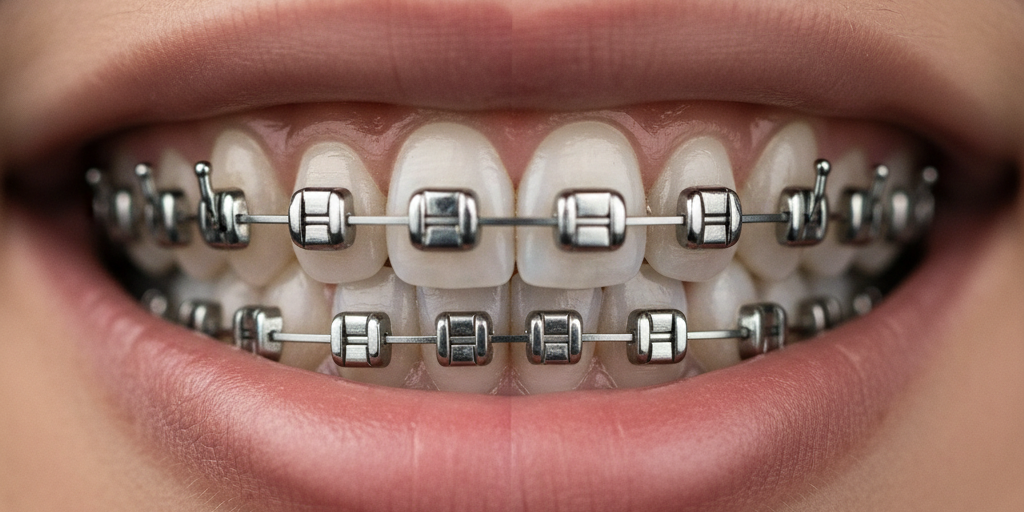
Pitts 21 brackets feature a spring-loaded clip mechanism that opens and closes to secure archwires. The clip design allows orthodontists to insert and remove wires easily during adjustments while maintaining secure positioning between appointments. The bracket profile is relatively low, creating a streamlined appearance on teeth. Many patients appreciate the refined aesthetic of this system.
Damon braces utilize a sliding door mechanism often called the “SpinTek” slide in their latest generation brackets. This door opens by pressing specific areas, allowing wire insertion before clicking closed. The mechanism provides reliable wire retention throughout treatment while enabling friction-free sliding. Damon bracket profiles have evolved through multiple generations, with recent versions offering increasingly lower profiles and smoother surfaces.
The materials used in bracket construction represent another area of distinction. Both systems utilize high-quality stainless steel or ceramic materials depending on patient preferences. Ceramic versions provide enhanced aesthetics for patients concerned about appearance, though they typically cost more than metal brackets. The manufacturing precision in both systems ensures consistent performance across all brackets.
Bracket slot dimensions influence how archwires interact with brackets. Both systems use standard .022 inch slot sizes in most cases, though .018 inch slots may be selected for specific clinical situations. The slot prescription question involves treatment philosophy more than mechanical differences.
Treatment Philosophy and Clinical Application
Understanding how these systems compare extends beyond hardware to encompass treatment philosophies promoted by each manufacturer. While both systems embrace passive self-ligation and biological approaches, nuanced differences exist in recommended treatment protocols.
Damon System philosophy emphasizes expansion and non-extraction treatment approaches. The manufacturer promotes treating cases without tooth removal whenever possible, using arch expansion to create space for crowded teeth. This philosophy aligns with contemporary orthodontic trends prioritizing tooth preservation. Many Toronto orthodontists appreciate this approach when evaluating the systems.
Pitts 21 braces similarly support expansion and non-extraction approaches, though the system doesn’t promote a specific proprietary treatment philosophy as aggressively. Orthodontists using Pitts 21 brackets apply their own clinical judgment and treatment planning approaches. This flexibility appeals to practitioners who value autonomy in decision-making. This represents a key philosophical distinction regarding manufacturer guidance.
Training and certification programs differ between systems. Damon System offers comprehensive training courses teaching orthodontists the specific treatment protocols recommended for their brackets. These courses emphasize the complete “Damon System” approach including philosophy, mechanics, and techniques. Pitts 21 manufacturers provide technical training on bracket use without prescribing specific treatment philosophies. These educational approach variations are worth considering.
| Comparison Factor | Pitts 21 Braces | Damon Braces |
| Self-Ligation Type | Passive | Passive |
| Clip Mechanism | Spring-loaded clip | Sliding door (SpinTek) |
| Bracket Profile | Low, streamlined | Low, evolving design |
| Treatment Philosophy | Practitioner autonomy | System-specific protocols |
| Training Approach | Technical bracket use | Comprehensive system training |
| Manufacturer Marketing | Moderate | Extensive |
| Clinical Outcomes | Excellent | Excellent |
Treatment Outcomes and Effectiveness
When patients ask about comparative results, the answer is reassuring: both systems deliver excellent outcomes when used by skilled orthodontists. Clinical research comparing self-ligating systems demonstrates that practitioner expertise influences results more significantly than specific bracket brands.
Treatment duration with both systems ranges from 18 to 36 months for most cases, representing significant improvement over traditional braces requiring 24 to 48 months. The self-ligating advantage that both systems provide explains these accelerated timelines. Patients wondering about treatment speed differences find that variations are minimal when cases are managed competently.
Patient comfort levels are high with both systems due to passive self-ligation and reduced friction. The light, continuous forces minimize discomfort following adjustments. Toronto patients report similar satisfaction scores whether treated with Pitts 21 or Damon braces. Understanding that comfort levels are comparable helps focus decision-making on other factors.
Success rates for both systems exceed 95% when proper case selection, treatment planning, and execution occur. Complications and emergency appointments occur less frequently compared to traditional braces regardless of which self-ligating system is used. Selecting an orthodontist experienced with self-ligating mechanics matters most.
Long-term stability appears excellent with both systems when proper retention protocols follow active treatment. Teeth maintained in corrected positions through retainer wear remain stable regardless of which self-ligating system achieved the initial correction. Patients concerned about lasting results can feel confident both systems produce stable outcomes.
Cost Considerations and Availability
Cost represents a practical consideration for many Toronto patients evaluating orthodontic options. Both self-ligating systems typically cost similarly to each other, with any price differences reflecting practice-specific factors rather than inherent system costs.
Self-ligating braces generally cost comparably to traditional braces, though some practices charge modest premiums for advanced technology. The reduced appointment frequency and shorter treatment duration often offset any initial cost differences. When considering the financial aspects, focus on total treatment investment including all appointments rather than just bracket costs.
Insurance coverage typically treats all braces similarly regardless of specific bracket brands. If your insurance provides orthodontic benefits, coverage applies equally to Pitts 21, Damon, or traditional braces. The choice between systems doesn’t affect insurance reimbursement in most cases.
Availability in Toronto varies by practice. Some orthodontists offer both systems, allowing patients to choose based on preferences and specific case needs. Other practices specialize in one system exclusively. When researching your options, verify which systems your preferred orthodontist offers before making final decisions.
Choosing Between Systems: Practical Guidance
Toronto patients wondering which system to choose often want practical guidance for their decision-making process. Several factors should inform your choice.
Orthodontist experience and preference matter most significantly. An orthodontist highly experienced with one system likely achieves better results with that familiar technology compared to a less-familiar alternative. When consulting orthodontists, ask about their experience with each system and which they recommend for your specific case. Understanding the distinctions matters less than selecting an expert practitioner.
Case-specific considerations may favor one system. While both handle most orthodontic problems effectively, certain complex cases might benefit from specific bracket characteristics. Your orthodontist evaluates your dental and skeletal relationships to recommend the optimal system. Trust their professional judgment about which features are most relevant to your situation.
Personal preferences regarding aesthetics, appointment frequency, or treatment philosophy can guide decisions when clinical factors are equal. If one system appeals to you more strongly and your orthodontist offers both options, expressing preferences helps personalize your treatment. However, remember that the differences involve subtle variations rather than dramatically different experiences.
Practice convenience and accessibility matter practically. Choosing an orthodontist located conveniently with appointment availability matching your schedule enhances treatment compliance. The specific bracket system used matters less than maintaining consistent care throughout treatment. Don’t let concerns about system differences overshadow practical considerations about office location and scheduling.
Research and Evidence Base
Clinical research examining these systems provides valuable evidence-based perspective. Studies comparing self-ligating systems generally demonstrate that both approaches deliver excellent outcomes with minimal differences between specific brands.
Systematic reviews of self-ligating bracket research conclude that passive self-ligation reduces friction and enables efficient tooth movement regardless of manufacturer. The fundamental mechanical advantage shared by all self-ligating systems explains why the distinctions involve refinements rather than revolutionary differences.
Long-term outcome studies tracking patients treated with various self-ligating systems show excellent stability and patient satisfaction across different bracket brands. This research supports the clinical observation that orthodontist skill influences results more than specific hardware choices. Understanding that final outcomes are comparable helps patients focus on selecting qualified practitioners.
Toronto orthodontists stay current with emerging research about self-ligating systems. Continuing education ensures practitioners understand the latest evidence about bracket performance and optimal treatment protocols. When evaluating your options, rely on evidence-based guidance from experienced professionals rather than marketing materials alone.
Tropical Orthodontics
For expert guidance on what makes pitts 21 braces different from damon braces and which system suits your needs, Tropical Orthodontics provides comprehensive orthodontic care in Toronto. Located at 265 Enfield Place, Suite 100B, Mississauga, Ontario, Canada, L5B 3Y7,
Tropical Orthodontics serves patients throughout the Greater Toronto Area. Contact the office at (905) 281-8200 to schedule your consultation with experienced orthodontists who can explain what makes pitts 21 braces different from damon braces based on your specific case. The team evaluates your orthodontic needs and recommends the optimal treatment approach using advanced self-ligating technology. Each patient receives personalized care focused on achieving excellent functional and aesthetic outcomes.
Frequently Asked Questions
Q: What are the main differences between Pitts 21 and Damon braces in terms of results? A: Both systems deliver excellent results with minimal outcome differences. Orthodontist expertise influences treatment success more significantly than specific bracket brands.
Q: Are Pitts 21 braces faster than Damon braces? A: Treatment duration is similar for both systems, typically ranging from 18 to 36 months. The passive self-ligation that both systems share explains these comparable timelines.
Q: Which system costs less in Toronto? A: Both systems typically cost similarly, with any price differences reflecting practice-specific factors rather than inherent system costs. Total treatment investment is comparable for both options.
Q: Can I switch from one system to the other during treatment? A: Switching mid-treatment is generally not recommended as it requires removing all brackets and restarting. Consult your orthodontist about specific situations.
Q: How do these systems compare for adult patients? A: Both systems work excellently for adult patients with minimal differences. Adult treatment success depends more on case complexity and orthodontist skill than specific bracket choice.
Conclusion
Understanding what makes pitts 21 braces different from damon braces reveals that both represent excellent self-ligating systems delivering superior results compared to traditional braces. The shared passive self-ligation technology, biological treatment philosophy, and reduced friction explain why both systems achieve similar outcomes.
Subtle differences in bracket design, manufacturer training programs, and treatment protocols exist, but these variations matter less than orthodontist expertise and experience. Toronto patients can confidently choose either system knowing that the comparison involves refinements rather than fundamental distinctions.
Focus on selecting a skilled orthodontist experienced with self-ligating mechanics rather than obsessing over specific bracket brands. Ready to begin your orthodontic journey with advanced self-ligating technology? Contact Tropical Orthodontics today to schedule your consultation and receive expert guidance on the best system for your individual needs.