
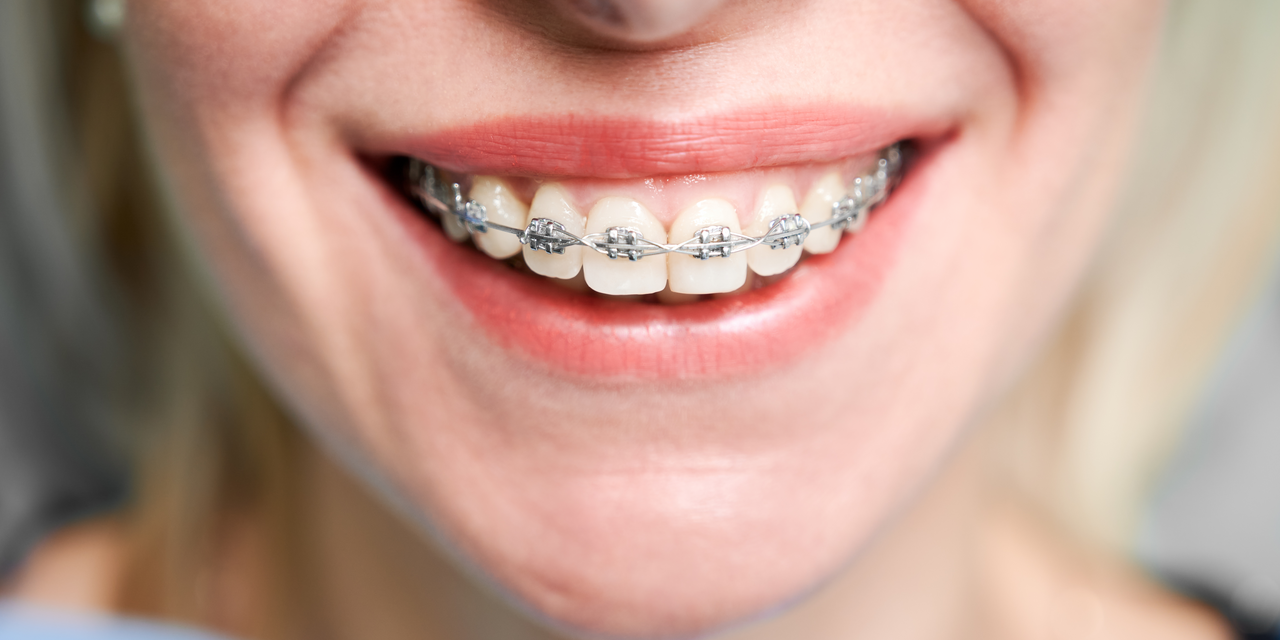
Many people assume orthodontic treatment ends the moment braces come off or Invisalign treatment is completed. After months or years of treatment, patients are naturally excited to enjoy their new smile without thinking much about what happens next.
What often surprises people is that teeth can still move after treatment.
In fact, slight tooth movement over time is completely normal. Teeth can slowly move back toward their original position without proper retention . This process is called orthodontic relapse and it’s one of the main reasons why retainers are so important after braces or aligners.
The good news is that when retainers are worn consistently, and treatment is planned carefully from the outset, long-term stability is quite achievable.
In this guide, we’ll explain why teeth move after orthodontic treatment, what factors can contribute to relapse, and how retainers can help protect your smile for the long term.
Quick Answer: Why Do Teeth Shift After Braces?
Teeth can shift naturally over time since the bone, gums and supporting tissues are still adjusting even after orthodontic treatment is completed. Shifting can occur due to aging, bite pressure, inconsistent retainer use, and natural tooth movement. Retainers help to stabilise teeth as the surrounding tissues adjust to their new positions.
Is Teeth Shifting After Treatment Normal?
Yes. Some level of movement is completely normal throughout life, even for people who never had orthodontic treatment.
After braces or Invisalign, teeth are settling into newly aligned positions. The surrounding bone and gum tissues need time to stabilise, which is why retention is essential during this stage.
Without retainers, teeth may slowly drift over time due to:
-
- Natural ageing
- Bite pressure
- Muscle movement
- Crowding tendencies
- Everyday chewing forces
This does not mean treatment failed. It simply means teeth naturally respond to pressure and movement throughout life.
What Causes Orthodontic Relapse?
Orthodontic relapse refers to teeth moving back toward their previous positions after treatment.
Several factors may contribute to this.
1. Inconsistent Retainer Use
This is the most common reason teeth shift after treatment.
Retainers are designed to hold teeth in position while surrounding tissues stabilise. When retainers are not worn consistently, teeth may gradually begin moving again.
Many patients stop wearing retainers because:
-
- Teeth initially still look straight
- Retainers feel inconvenient
- They assume treatment is permanently complete
Unfortunately, even small lapses in retainer use can allow gradual shifting over time.
2. Natural Ageing
Teeth continue changing throughout adulthood.
Many adults notice:
-
- Increased lower front crowding
- Minor shifting
- Bite changes over time
This can happen even in people who previously had orthodontic treatment years earlier.
Patients in Mississauga often seek orthodontic treatment as adults after noticing gradual shifting that became more obvious over time. We discussed this further in our article on
Teeth Straightening for Adults in Mississauga: Options Without Surgery or Braces
3. Bite Pressure and Jaw Alignment
Bite alignment plays a major role in long-term stability.
If certain teeth absorb uneven pressure during chewing or clenching, movement can gradually occur over time. This is one reason orthodontic treatment focuses not only on aesthetics but also on functional bite balance.
Patients dealing with bite issues such as overbite or crowding may also experience more pressure related shifting if underlying alignment concerns are not addressed fully.
You can learn more about bite correction here: Can You Fix an Overbite Without Surgery? Treatment Options Explained
Do Retainers Really Work?
Yes. Retainers are one of the most important parts of orthodontic treatment.
Their job is simple:
-
- Keep teeth stable
- Prevent unwanted shifting
- Support long term alignment
Retainers allow surrounding tissues and bone to adapt gradually after teeth have moved into new positions.
Without retention, many teeth naturally begin drifting over time.
How Long Do You Need to Wear Retainers?
This depends on the individual case and treatment history, but long-term retainer use is generally recommended.
Many orthodontists advise:
-
- Full time wear initially after treatment
- Night time wear long term
This may sound surprising to some patients, but retainers are far easier and less expensive than repeating orthodontic treatment later.
Modern retainers are also more comfortable and discreet than many people expect.
Can Retainers Fix Minor Teeth Shifting?
Sometimes, yes.
If small shifts are caught early, retainers may help guide teeth back into place before movement becomes more noticeable.
However, more significant relapse may require:
-
- new retainers
- aligners
- additional orthodontic treatment
This is one reason regular follow up care matters after braces or Invisalign.
Do Teeth Shift After Invisalign Too?
Yes. Teeth can shift after Invisalign just like they can after braces.
The important factor is not whether treatment involved aligners or braces. The key factor is retention after treatment ends.
Patients often assume Invisalign works differently because the aligners themselves are removable, but long term stability still depends heavily on wearing retainers consistently afterwards.
If you are currently considering aligners, you may also find these articles useful:
What Happens If You Stop Wearing Retainers?
This varies from person to person, but many patients begin noticing gradual movement over time.
Possible changes may include:
-
- Mild crowding returning
- Small gaps reopening
- Bite alignment changes
- Rotation of certain teeth
Some movement may happen slowly enough that patients do not notice immediately until the change becomes more obvious.
This is especially common in the lower front teeth, which naturally tend to crowd with age.
Why Long Term Stability Starts During Treatment
Retention is important, but stability also depends on how treatment is planned from the beginning.
At Tropical Orthodontics, treatment planning is guided by Dr. Joel Schacher with careful attention to:
-
- Bite balance
- Functional alignment
- Facial aesthetics
- Long term stability
Orthodontic treatment is not simply about moving teeth quickly. The goal is creating healthy and stable alignment that lasts.
Can Crowded Teeth Become Crooked Again?
Yes, especially if retainers are not worn consistently.
Patients who originally had crowding are often more likely to experience relapse because teeth may naturally drift back toward previous positions.
This is why retention matters so much after treatment.
Patients concerned about crowding and non extraction treatment may also want to explore: Can Overcrowded Teeth Be Fixed Without Removing Teeth?
Modern Orthodontics Focuses More on Stability
Modern orthodontic systems place much greater emphasis on long term function and stability compared to older treatment approaches.
Systems like Pitts 21 focus on:
-
- controlled tooth movement
- lighter forces
- balanced bite positioning
- facial aesthetics
These factors may contribute to more stable and comfortable outcomes over time.
We recently discussed this in more detail here: Why Pitts 21 Braces Are Changing Orthodontic Treatment in Mississauga
Can Adults Benefit From Retainers Too?
Absolutely.
Adult teeth remain responsive to pressure and movement throughout life. Retainers help maintain alignment regardless of age.
Many adults who had braces years ago seek retreatment later because they stopped wearing retainers and noticed gradual shifting over time.
Consistent retainer use is one of the simplest ways to protect orthodontic results long term.
Frequently Asked Questions
Is teeth shifting after braces normal?
Yes. Minor shifting over time is normal, which is why retainers are recommended after treatment.
Do retainers need to be worn forever?
Many orthodontists recommend long term night time retainer wear to help maintain alignment.
Can Invisalign teeth shift back?
Yes. Teeth can shift after Invisalign if retainers are not worn consistently.
What happens if I stop wearing my retainer?
Teeth may gradually begin shifting over time, especially in areas prone to crowding.
Can retainers fix small shifts?
Sometimes. Minor movement may improve with retainer use if caught early.
Final Thoughts
Orthodontic treatment doesn’t truly end when the braces are removed or the aligners are complete. The long term stability is very much dependent on the retention and consistent follow up care.
Teeth move naturally throughout life, which is why retainers are an important part of protecting orthodontic results. And luckily, it’s usually a lot easier to keep things in line than to fix a relapse down the road.
Modern orthodontic treatment is not just about aligning teeth but also to give a stable and healthy long term result.
If you’re worried about your teeth shifting after braces or Invisalign, a professional orthodontic evaluation can help determine if retainers, refinements, or additional treatment may be helpful.