Most people assume crooked teeth are purely a cosmetic concern. If nothing hurts and nothing feels obviously wrong, it is easy to put off treatment or convince yourself that orthodontics is optional. That thinking is understandable, but it misses quite a bit of what is actually going on underneath the surface.
Misaligned teeth can quietly affect your oral hygiene, how your bite functions, how your jaw feels day to day, and how your teeth age over time. The problems do not always announce themselves early. For a lot of adults in Mississauga and Brampton, the moment they finally book an orthodontic consultation is after years of crowding, shifting, or bite discomfort that gradually got harder to ignore.
This guide walks through what can actually happen when alignment issues are left untreated, so you can make an informed call about your own situation before smaller concerns turn into bigger ones.
Quick Answer: Can Crooked Teeth Actually Cause Health Problems?
Yes. Crooked teeth can make proper cleaning much harder, accelerate uneven tooth wear, put strain on your jaw, cause bite problems, and allow teeth to keep shifting over time. Not every misalignment needs urgent treatment, but ignoring the issue for years tends to make things more complicated later. Modern orthodontics can address both the functional and cosmetic side of things at the same time.
Cleaning Becomes Genuinely Harder
This is the issue that catches most people off guard because it builds slowly and quietly.
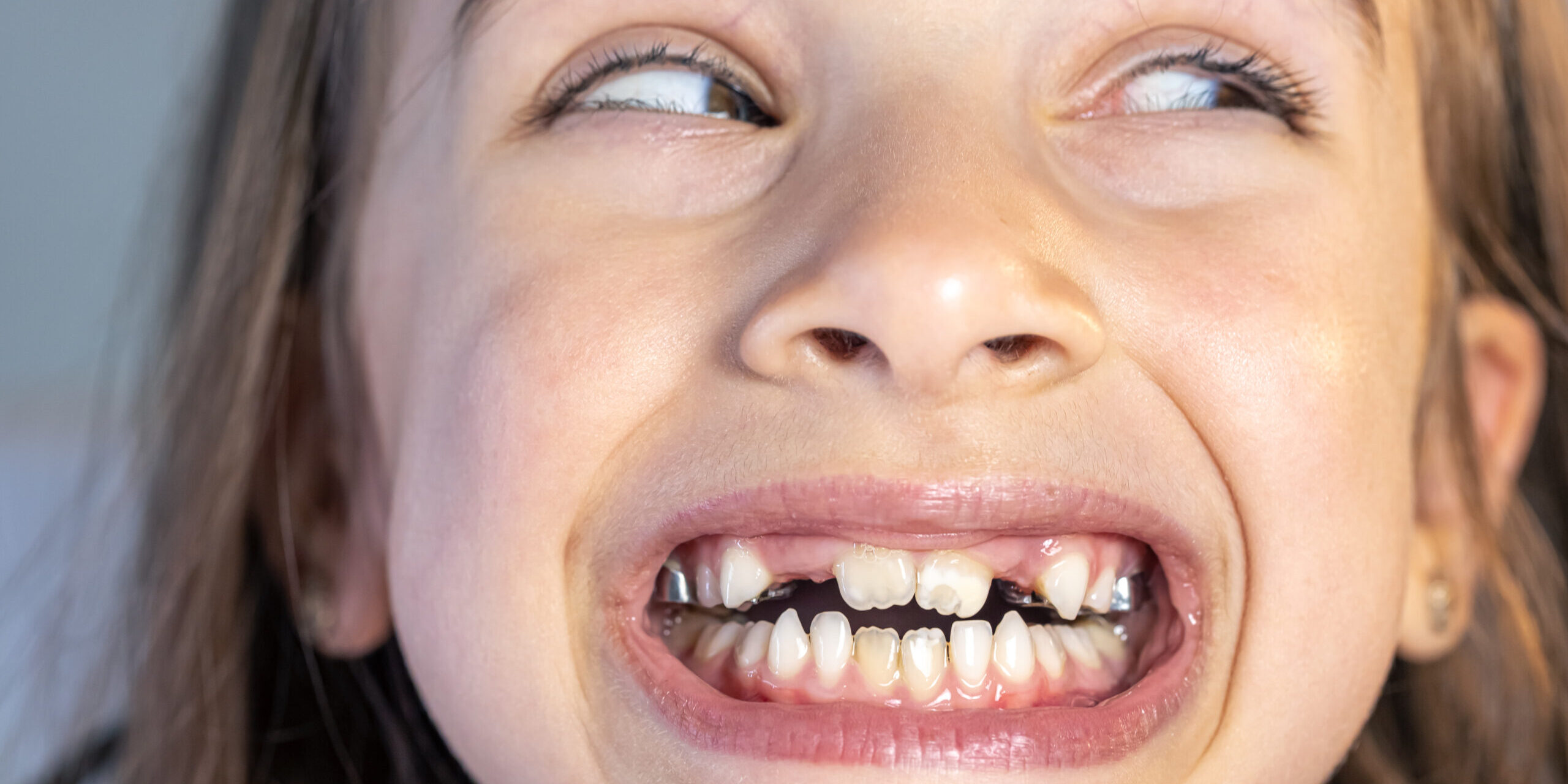
When teeth overlap or rotate, they create pockets and tight angles that a toothbrush and floss struggle to reach consistently. Patients with excellent oral hygiene habits can still end up with plaque sitting in crowded spots that are simply hard to access. Over time that leads to:
- Cavities in between teeth that should not really be there
- Gum inflammation in spots that keep getting missed
- Ongoing plaque buildup despite regular brushing
- Bad breath caused by bacteria trapped in hard to reach areas
- Higher risk of tooth decay in the long run
A lot of adults who pursue orthodontic treatment later in life realise after the fact that their alignment was quietly working against their dental hygiene for years. If you are already noticing crowding getting worse, it is worth reading about whether overcrowded teeth can be fixed without removing teeth to understand what your options actually look like.
Bite Problems Tend to Get Worse, Not Better
Crooked teeth and bite issues often go hand in hand. Overbites, underbites, crossbites, and open bites are all connected to how your teeth are positioned and how they meet when you chew or speak.
When your bite is off, the force of chewing does not distribute evenly. Certain teeth end up taking more pressure than they should, and over time that creates a range of problems:
- Accelerated wear on specific teeth
- Chipped or flattened enamel
- Jaw strain and facial muscle tightness
- Difficulty chewing on both sides evenly
- Headaches linked to muscle tension
The tricky part is that most people gradually adapt to a slightly off bite without realising it. They adjust the way they chew, favour one side, or stop noticing the tension until it becomes more pronounced. If bite issues are already on your radar, this guide on fixing an overbite without surgery covers what treatment options are available depending on your situation.
Teeth Do Not Stay Put On Their Own
One of the most common misconceptions is that crooked teeth stay crooked in exactly the same way forever. The reality is that teeth keep shifting throughout your life, and misalignment tends to make that worse.
Shifting happens for a number of reasons including natural ageing, bite pressure, gaps from missing teeth, crowding, and previous orthodontic relapse. The lower front teeth are especially prone to increasing crowding over time. Many adults who come in for a consultation say their teeth looked noticeably straighter in their twenties, and they watched the alignment gradually change without doing anything about it.
By the time treatment finally happens, there is often more to correct than there would have been years earlier.
Uneven Wear Adds Up Over Time
When teeth are not properly aligned, some absorb considerably more pressure than others during everyday chewing and speaking. That uneven stress leads to:
- Flattened or worn down edges
- Chipped enamel on teeth that take extra impact
- Sensitivity that appears without an obvious cause
- Visible wear that becomes harder to ignore
Because this happens slowly, it rarely feels urgent until the damage is already noticeable. Cleveland Clinic notes that bite alignment and tooth positioning have a meaningful influence on long term oral function and comfort, which is part of why orthodontic treatment is recommended for functional reasons, not just cosmetic ones.
Jaw Discomfort and Headaches Can Be Linked
Not every case of jaw pain or tension headaches comes from crooked teeth, but misaligned bites are a contributing factor more often than people realise.
When teeth do not meet properly, the surrounding muscles work harder to compensate during chewing and talking. Over time that extra effort can show up as:
- Clicking or popping in the jaw
- Soreness when chewing
- Tightness near the jaw joints
- Facial tension that builds through the day
- Recurring headaches that do not have an obvious source
A proper orthodontic evaluation can help determine whether your bite alignment is playing a role in any of these symptoms.
Gum Health Gets Harder to Protect
The connection between crooked teeth and gum health comes back to the same cleaning problem. When certain spots stay consistently harder to clean, plaque and bacteria sit near the gumline longer than they should. That increases the risk of:
- Gum irritation and swelling
- Bleeding when brushing or flossing
- Early stage gum disease developing quietly over time
Straightening teeth does not just improve the look of your smile. It genuinely makes day to day oral hygiene more effective because you can actually reach the areas that matter. The Canadian Dental Association emphasises that proper oral hygiene access is a key factor in reducing the long term risk of gum disease and dental complications.
The Confidence Side of Things
Not every effect of crooked teeth shows up in a dental x-ray. For a lot of people, the real daily impact is social. Avoiding photos, covering your mouth when you laugh, holding back in conversations because you feel self-conscious about your smile. These habits can become automatic without people even noticing they have developed them.
Orthodontic treatment does not just change tooth alignment. For most patients, it changes how they feel day to day, and that matters as much as any clinical outcome.
Modern Orthodontics Has Changed a Lot
One reason people put off treatment is the assumption that braces are their only option. That has not been true for quite some time.
Depending on your case, treatment today might involve clear aligners, modern low friction bracket systems, or approaches that prioritise facial aesthetics alongside alignment. Systems like Pitts 21 orthodontics focus on moving teeth efficiently while keeping comfort and facial balance in mind throughout treatment, which is a meaningful shift from older orthodontic approaches.
If you are in Mississauga or the surrounding area and want to understand how newer systems are changing what treatment actually feels like, this article on why Pitts 21 braces are changing orthodontic treatment in Mississauga is a good starting point.
Adults Have More Options Than They Think
Orthodontics is not just for teenagers. Many of the alignment concerns that show up most clearly in adulthood, including increased crowding, shifting teeth, bite changes, and uneven wear, respond well to modern treatment approaches.
Clear aligners in particular have made orthodontic care considerably more discreet and manageable for adults who cannot picture themselves in traditional braces. If you are weighing that option, this honest breakdown of whether clear aligners are worth it covers both the benefits and the limitations so you can go into any consultation with realistic expectations.
Signs That It Is Worth Getting Evaluated
Not every misalignment needs immediate treatment. But there are certain things worth taking seriously rather than waiting on:
- Crowded areas that are consistently hard to clean properly
- Noticeable shifting in your teeth over recent years
- Bite discomfort, jaw tension, or unexplained headaches
- Visible wear or chipping on specific teeth
- Difficulty chewing evenly on both sides
- Growing self-consciousness about your smile
A consultation does not commit you to anything. It just gives you a clear picture of what is happening and what your options are.
Why Treatment Planning Matters
Straightening teeth is not a one size fits all process. Bite balance, jaw alignment, facial aesthetics, and long term stability all factor into a good outcome. At Tropical Orthodontics, Dr. Joel Schacher takes a personalised approach to orthodontic care for patients in Mississauga, Brampton, and surrounding areas, focusing on results that are both functionally sound and naturally proportioned to each patient’s face.
Every case is different, and the goal is always a stable result that works well for the long term, not just a straighter smile on paper.
What Modern Orthodontics Is Actually Trying to Achieve
The point of treatment today goes well beyond cosmetics. A well-aligned bite improves how easy your teeth are to clean, how comfortably your jaw functions, how your teeth age over the years, and how confident you feel in everyday situations.
Modern orthodontic systems are more comfortable, more efficient, and far more patient-friendly than most people expect based on older ideas about what braces involve.
Frequently Asked Questions
Can crooked teeth get worse with age?
Yes. Teeth shift gradually over time due to ageing, bite pressure, crowding, and gaps from missing teeth. Misalignment tends to become more pronounced rather than staying the same.
Can crooked teeth cause headaches?
In some cases, yes. Bite imbalance puts strain on jaw muscles, which can contribute to tension and recurring headaches.
Are crooked teeth only a cosmetic problem?
No. Alignment issues affect oral hygiene access, gum health, bite function, tooth wear, and jaw comfort.
Is it too late for adults to get treatment?
Not at all. Adults pursue orthodontic treatment successfully all the time using both modern braces systems and clear aligners.
Can clear aligners fix crooked teeth?
Many mild to moderate cases respond well to clear aligners. Whether they are the right fit depends on your specific bite and alignment, which is something an orthodontist can assess during a consultation.
Final Thoughts
Crooked teeth rarely cause obvious problems right away, which is exactly why so many people leave them untreated for years. But alignment issues tend to get more complicated over time, not less. The wear, the shifting, the hygiene struggles, and the bite strain all accumulate quietly.
The good news is that modern orthodontics offers more practical, comfortable, and discreet options than most people realise. Whether the concern is crowding, bite imbalance, teeth shifting, or just a smile you have never felt great about, there is almost certainly a treatment path that fits your life. A consultation is the straightforward way to find out where you actually stand.