You glance in the mirror one morning and something looks slightly off. Maybe the lower front teeth that were perfectly straight after braces are starting to overlap again. Maybe there is a gap that was not there before, or your bite just feels different when you close your mouth. You have not done anything differently, so what is going on?
This is one of the more common concerns we hear from adult patients at Tropical Orthodontics, and it tends to come with a fair amount of frustration. People who went through orthodontic treatment as teenagers and did everything right feel like they are back at square one. The reassuring truth is that teeth shifting in adulthood is extremely common, it happens for well-understood reasons, and in most cases it is very treatable.
Can Teeth Really Move as an Adult?
They can, and they do. This surprises a lot of people because there is a general assumption that once your adult teeth are in place, they stay put. The reality is that teeth are held in position by the periodontal ligament, a network of fibres that connects each tooth root to the surrounding bone. That structure is not rigid. It responds to pressure, changes in the bite, and the natural shifts that happen in bone and tissue over time.
Teeth are essentially always in a state of slow movement. For most people, most of the time, the forces keeping teeth in place are balanced enough that the movement is imperceptible. When that balance is disrupted, whether by ageing, bite changes, gum health, or other factors, shifting becomes noticeable.
Common Reasons Teeth Shift in Adulthood
Natural age-related changes
As we get older, the jaw bone gradually changes in density and shape. The lower jaw in particular tends to narrow slightly with age, which pushes the lower front teeth inward and causes them to crowd. This happens independently of whether someone had orthodontic treatment before. It is simply a feature of how the facial skeleton ages.
Not wearing retainers consistently
This is the most common reason teeth shift after braces. Retainers are not optional extras. They are what maintain the result once active treatment is finished. Teeth have a natural tendency to drift back toward where they came from, and without a retainer holding them in place, that drift happens gradually over months and years. Many adults who notice crowding returning can trace it back to a period when retainer wear became inconsistent or stopped altogether.
Bite and jaw changes
An uneven bite places different amounts of pressure on different teeth over time. That uneven force can slowly push teeth out of their ideal positions. Habits like clenching or grinding, which many adults do without realising it, accelerate this process considerably. If you wake up with a sore jaw or notice your teeth looking worn down, grinding may be something worth talking to a dental professional about.
Gum disease and bone loss
The teeth are held in place by the bone and gum tissue that supports them . If gum disease exists and is not treated, that supporting structure slowly falls apart. Teeth that lose bone support become less stable and more susceptible to shifting. This is one reason why orthodontic treatment is always preceded by a full assessment of gum health.
Missing teeth
When a tooth is lost and not replaced, the neighbouring teeth tend to drift into the gap over time. The opposing tooth can also shift downward or upward toward the space. This kind of movement is gradual but cumulative, and it can significantly affect bite alignment if left unaddressed.
Wisdom teeth
There is a longstanding belief that wisdom teeth push the front teeth forward as they come in. The research on this is actually not conclusive. Studies have not consistently shown that wisdom teeth are a direct cause of crowding in the front of the mouth. If your front teeth are shifting, wisdom teeth are probably not the primary culprit, though they may contribute to localised pressure in some cases. The underlying causes listed above are far more commonly responsible.
Signs That Your Teeth May Be Shifting
Some degree of movement is normal and goes unnoticed. But there are signs worth paying attention to:
- The lower front teeth are becoming more overlapped or harder to floss between
- A gap has appeared between teeth that were previously touching
- Your bite feels different, or certain teeth are hitting before others when you close your mouth
- Teeth that used to be straight are visibly rotating or tilting
- Your smile looks different in photos compared to a few years ago
- Food is getting caught in areas it did not before
Any of these changes warrant a proper orthodontic assessment, particularly if they have been progressing over time.
Can Teeth Shifting Be Corrected?
In most cases, yes. The right treatment depends on the cause and severity of the shifting, but adults have more options available to them today than at any previous point in orthodontics.
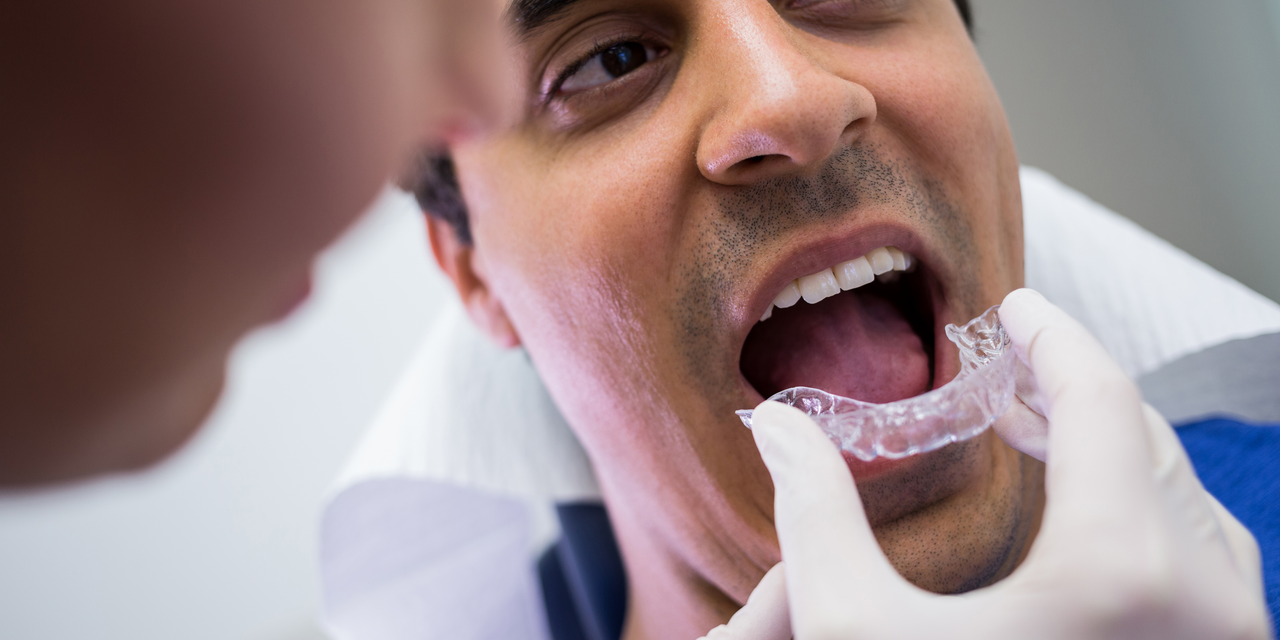
For mild to moderate cases, particularly relapse after previous braces, Invisalign is often a practical and discreet option. The clear aligner system has improved significantly in recent years and handles many adult tooth movement cases very effectively without any visible hardware.
For more complex shifting involving bite changes or significant crowding, modern braces systems tend to provide better control over tooth movement. At Tropical Orthodontics, Dr. Joel Schacher works with Pitts 21 braces and Damon braces, both of which are meaningfully different from the bracket systems most adults remember from their teenage years in terms of comfort and efficiency.
Where crowding is the primary concern, it is also worth knowing that many cases can be treated without removing healthy teeth. Our article on non-extraction orthodontic treatment covers how this works and which cases are most suitable. For a broader overview of what adult treatment involves, our adult orthodontics page is a good place to start.
Why Early Assessment Matters
The most common thing we hear from patients who have been watching their teeth shift for a while is that they wish they had come in sooner. Shifting that is caught early is almost always simpler to address than shifting that has been progressing for several years.
Beyond the practical side of treatment complexity, there is the oral health dimension. Crowding that develops slowly makes certain areas harder to clean over time, raising the risk of decay and gum problems that compound the original issue. Bite changes that are left unaddressed place ongoing uneven stress on the teeth, contributing to wear that cannot be undone.
The Canadian Association of Orthodontists recommends professional orthodontic assessment whenever changes in tooth position or bite are noticed, regardless of age. Early intervention consistently leads to better outcomes and more straightforward treatment.
Why Seeing a Certified Orthodontist Matters
When the matter is moving teeth, it is important to know the difference between a dentist and an orthodontist. They are both trained in oral health, but after dental school an orthodontist will go through an additional two to three years of specialist training in the movement of teeth, alignment of the bite, and jaw relationships. That extra training helps a lot in terms of diagnosing the underlying cause of shifting and planning treatment that addresses the root issue, not just the visible symptom.
Dr. Joel Schacher has been practising orthodontics in Mississauga for more than 40 years. Tropical Orthodontics has received the Consumer Choice Award for Business Excellence for ten consecutive years from 2017 through 2026, a reflection of the consistency of care and outcomes the clinic has delivered to patients across Mississauga and the surrounding communities. You can read more about our approach on our orthodontic treatment options page.
The American Association of Orthodontists also advises that patients experiencing changes in their bite or tooth alignment see a certified orthodontist rather than relying on general dental assessments alone, given the specialist nature of the diagnosis involved.
Final Thoughts
If you have noticed your teeth shifting, you are not imagining it and you are not alone. Adult tooth movement is one of the most common concerns orthodontists see, and it has straightforward explanations in the vast majority of cases. More importantly, it is treatable, often more easily than patients expect going in.
The key is not to leave it until the shifting has progressed further than it needs to. A consultation gives you a clear clinical picture of what is happening, what is driving it, and what your realistic options are. There is no obligation attached to that conversation, just clarity.
If you have noticed changes in your smile or your bite and want to understand what is going on, we would be glad to help. Book a consultation with our team at Tropical Orthodontics in Mississauga and we will walk you through everything from there.