
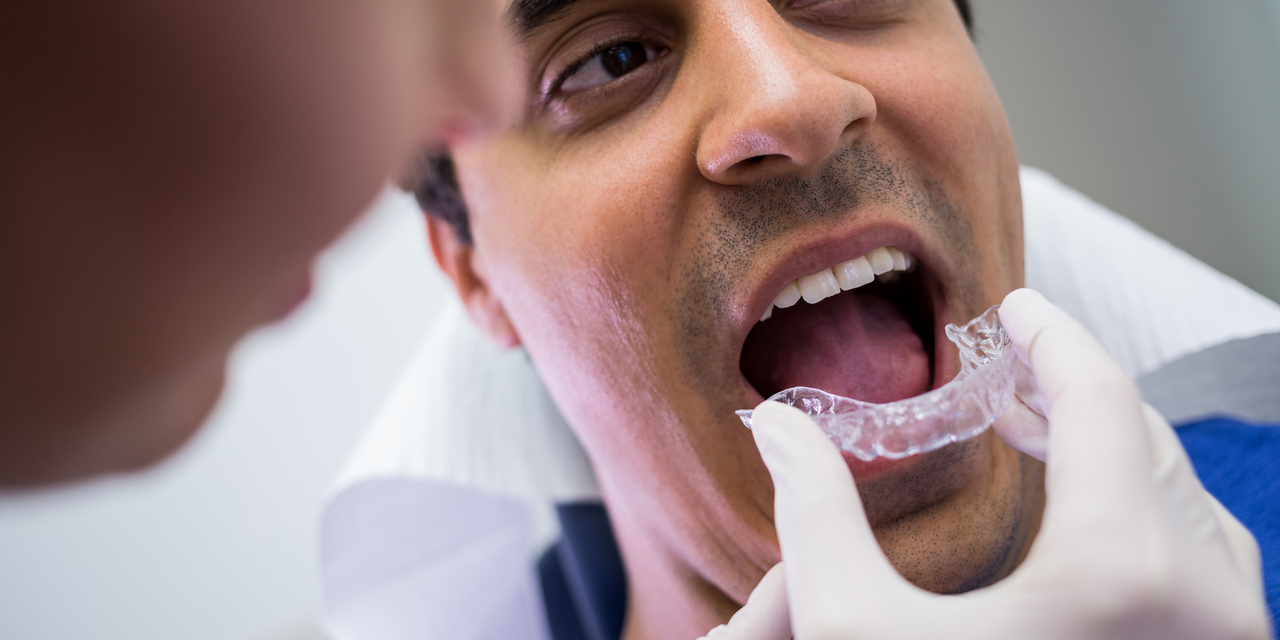
One of the first questions people ask before starting treatment is simple and practical. How long will it take to see results?
If you are considering Invisalign treatment, the answer is not the same for everyone. Some patients notice visible changes within a few weeks, while others may require a longer treatment period. The timeline depends on how your teeth are positioned at the start and what needs to be corrected.
Understanding what affects treatment time can help you set realistic expectations and feel more confident about starting the process.
The Short Answer
In most cases, Invisalign treatment takes anywhere from 6 months to 18 months.
That range can feel wide, but it reflects the fact that no two smiles are the same. A minor spacing issue will not take as long as correcting bite alignment or crowding.
The good news is that Invisalign is designed to move teeth efficiently, and many patients begin to notice improvements earlier than expected.
If you are still comparing treatment options, you may also find our guide on Invisalign vs Braces vs Damon: Which Is Best? helpful.
What Determines Invisalign Treatment Time?
Several factors influence how long your treatment will take. These are not just technical details. They directly affect how your teeth respond and how quickly results can be achieved.
1. The Complexity of Your Case
This is the biggest factor.
- Mild cases
Small gaps or minor crowding can often be corrected in 6 to 9 months. - Moderate cases
More noticeable alignment issues may take 9 to 15 months. - Complex cases
Bite correction or significant crowding can extend treatment to 18 months or more.
Each case is different, which is why a proper assessment is important before setting expectations.
Patients dealing with bite concerns may also want to read Can You Fix an Overbite Without Surgery? Treatment Options Explained.
2. How Consistently You Wear Aligners
Invisalign only works when it is worn consistently.
For best results, aligners should be worn:
- 20 to 22 hours per day
- Removed only for eating and brushing
Patients who follow this consistently often finish treatment faster. Delays usually happen when aligners are not worn as recommended.
3. Your Body’s Response to Treatment
Teeth move at different speeds for different people. Factors such as bone density and age can influence how quickly alignment happens.
Some patients respond very quickly, while others need a bit more time. This is completely normal and part of the process.
4. Treatment Planning and Experience
The way your treatment is planned plays a major role in how efficient it is.
At Tropical Orthodontics, treatment is guided by Dr. Joel Schacher, who focuses on creating precise and personalised plans. When treatment is mapped carefully from the beginning, it helps reduce unnecessary delays and improves overall efficiency.
You can learn more about our approach to orthodontic treatment and personalised smile planning.
What Happens During the Invisalign Timeline?
Understanding the stages can make the process feel more predictable and less uncertain.
Stage 1: Initial Consultation
This is where everything begins.
During your consultation:
- Your teeth and bite are assessed
- Digital scans may be taken
- A customised treatment plan is created
You will also get an estimate of how long your treatment is expected to take.
Stage 2: First Few Weeks
Once you start wearing aligners, you may notice:
- Slight pressure on teeth
- Increased awareness of the aligners
This usually settles quickly as your mouth adjusts. Some patients begin to see early changes within the first few weeks.
Patients concerned about discomfort may also find our article on Do Braces Hurt? Pain Levels, Timeline & How to Reduce Discomfort is useful.
Stage 3: Active Movement Phase
This is the main part of treatment.
You will:
- Change aligners every 1 to 2 weeks
- Gradually guide teeth into position
- Attend periodic check-ups
Progress during this stage is steady rather than sudden. Small changes add up over time.
For patients exploring alternatives to aligners, our braces treatment options page explains different orthodontic solutions available.
Stage 4: Refinements (If Needed)
In some cases, additional aligners are used to fine-tune results.
This does not mean something went wrong. It simply means the treatment is being adjusted to achieve the best possible outcome.
Stage 5: Retention Phase
Once treatment is complete, retainers are used to maintain results.
This step is important because it prevents teeth from shifting back over time.
When Will You Start Seeing Results?
One of the most encouraging aspects of Invisalign is how early changes can appear.
Many patients notice:
- Slight alignment improvements within 4 to 6 weeks
- Visible progress within a few months
These early results help build confidence and keep patients motivated to stay consistent.
Is Invisalign Faster Than Braces?
This depends on the case.
For mild to moderate alignment issues, Invisalign can be just as fast or even faster than traditional braces. In more complex cases, both options may take a similar amount of time.
The key difference is not just speed. It is also how the treatment fits into your lifestyle.
You can compare both options in more detail in our article: Invisalign vs Braces vs Damon: Which Is Best?
Does Invisalign Take Longer for Adults?
Not necessarily.
Adults often assume their treatment will take longer, but this is not always the case. In fact, many adults complete treatment within the same timeframe as younger patients.
What matters more is:
- The condition of the teeth
- Consistency in wearing aligners
- Following the treatment plan
Adults interested in discreet orthodontic options can also explore our adult orthodontics services.
What Can Delay Invisalign Treatment?
While Invisalign is efficient, certain factors can slow down progress.
Common delays include:
- Not wearing aligners consistently
- Missing scheduled check-ups
- Losing aligners
- Not switching trays on time
Staying consistent and following instructions helps keep your timeline on track.
Why a Personalised Plan Makes a Difference
One of the reasons Invisalign works well is that it is customised for each patient.
At Tropical Orthodontics, treatment is not based on a template. It is designed around your specific needs, goals, and dental structure.
This approach helps ensure:
- More predictable progress
- Better comfort during treatment
- Results that look natural and balanced
Patients interested in advanced orthodontic systems may also want to learn about Pitts 21 Orthodontics: A Modern Approach to Teeth Straightening Without Extraction.
What Patients in Mississauga Should Expect
Patients in Mississauga and Brampton often choose Invisalign because it offers flexibility without compromising results.
Most patients appreciate:
- The discreet appearance
- The ability to remove aligners when needed
- The gradual and controlled movement
With proper guidance and consistency, Invisalign fits well into daily routines while still delivering effective outcomes.
Final Thoughts
Invisalign treatment timelines vary, but most patients complete their journey within 6 to 18 months. The exact duration depends on your starting point, your consistency, and how your treatment is planned.
What matters most is not just how quickly teeth move, but how well the final result holds over time.
A personalised consultation is the best way to get a clear answer for your situation if you are considering Invisalign. This allows you to understand what your timeline may look like and what steps are involved.
With the right plan and consistent wear, Invisalign offers a reliable and comfortable path to a better smile.